COFFEE & A ROLL
This website contains content related to cannabis.
Are you 21 years of age or older?
By entering, you confirm you meet the legal age requirement
in your jurisdiction for cannabis-related content.
Region
South Asia / Himalayas
Established
Ancient (wild growth)
Cultivation
Wild & Cultivated — Himalayan
Legal Status
Illegal since 1973
History
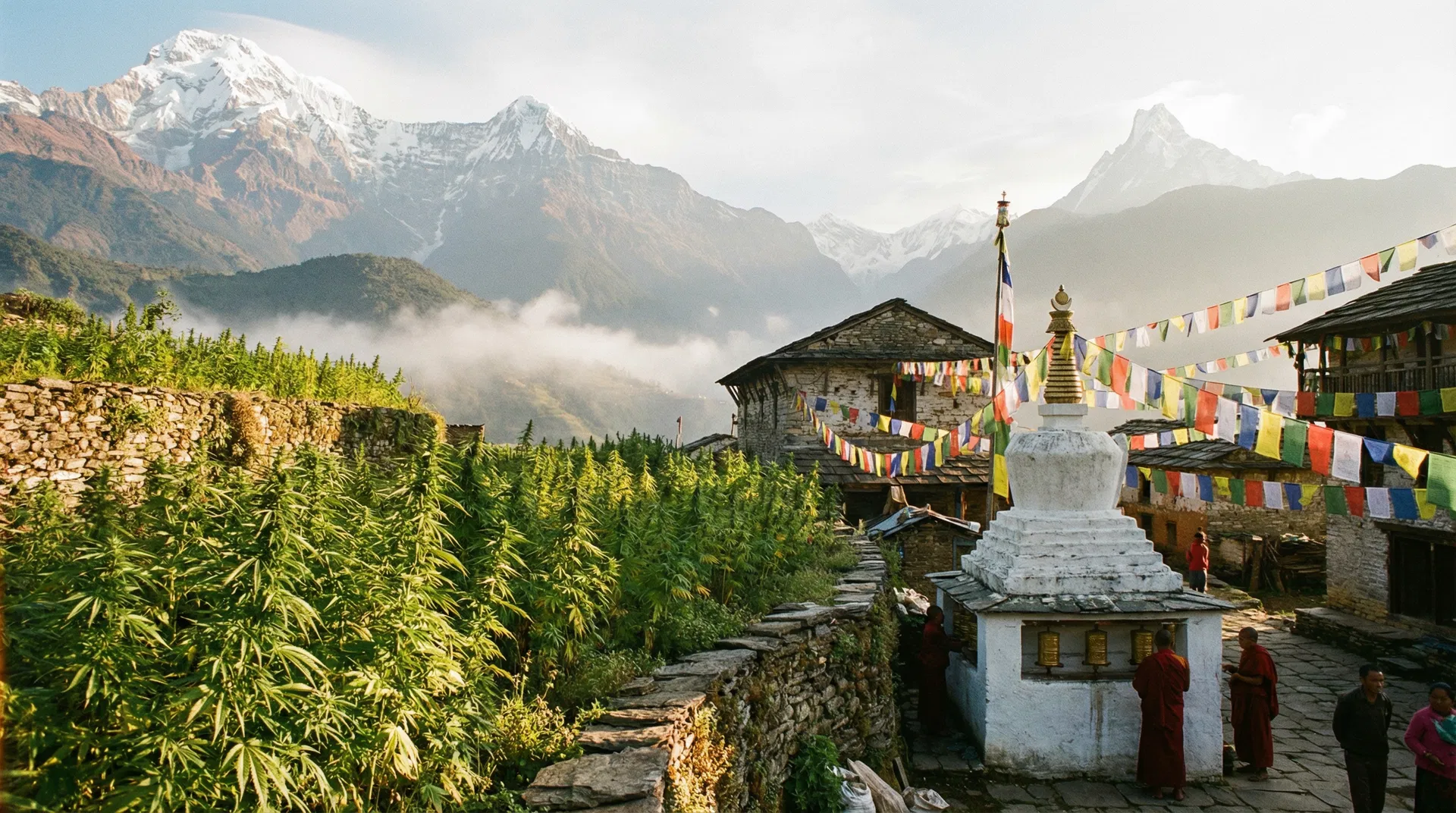
Cannabis grows wild throughout Nepal, from the lowland Terai to the high Himalayan valleys. The plant has been part of Nepalese culture for millennia.
Until 1973, hashish was legal in Nepal and sold in government-licensed shops in Kathmandu's famous 'Freak Street' (Jhochhen Tole). The Hippie Trail made Nepal a cannabis mecca.
Nepal banned cannabis in 1973 under pressure from the United States, ending the legal hash trade. However, the plant continues to grow wild and is cultivated in remote mountain villages.
Cultivation
Cannabis grows abundantly at altitude throughout the Himalayan foothills. The combination of high altitude, intense UV radiation, and dramatic temperature swings produces exceptionally resinous plants.
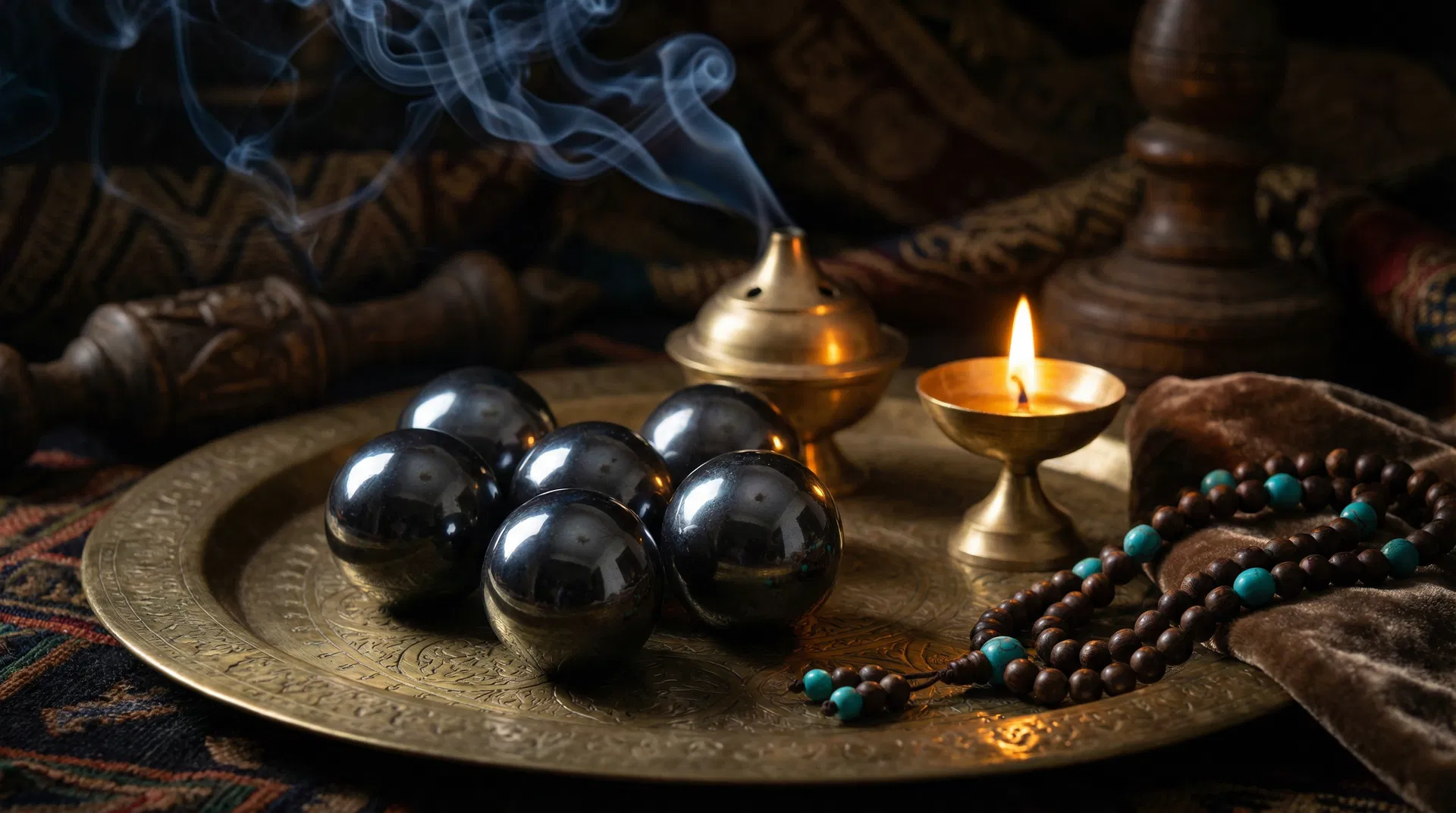
Nepalese Temple Balls — hand-rolled perfection
Hash Making & Processing
Nepal is famous for the Nepalese Temple Ball — hand-rolled spheres of dark, glossy hashish considered some of the finest charas in the world.
Temple Balls are meticulously crafted, worked and polished until they achieve a mirror-like sheen. The best examples are deep black-brown, incredibly smooth, and extraordinarily potent.
Legal Landscape
Cannabis has been illegal since 1973. There are growing calls to re-legalize, citing cultural heritage and economic potential.
Key Figures
The Freak Street merchants of 1960s-70s Kathmandu
Himalayan charas makers who maintain ancient techniques